

Sensory Health Matters
Paediatric Occupational Therapy Melbourne
Does this sound familiar?
You're doing everything you can. It's still really hard.
It's not one bad day. It's the accumulation of them. The mornings that unravel before you leave the house.
The bedtimes that stretch far beyond what they should. The meltdowns you saw coming and still didn't know how to stop.
The constant mental load of trying to understand a child whose sensory needs and behaviour don't always make sense - not to the people around you, and sometimes not even to yourself.
Most parents who arrive here are not short on effort. They've read books, tried different approaches, searched for strategies at 10pm when the house is finally quiet.
They're still finding themselves reactive, overwhelmed, and disconnected from the parent they want to be.

The missing piece is rarely effort. It's that something deeper hasn't been looked at yet.
You snap, and then the guilt of it follows you for the rest of the day. That cycle is exhausting in itself.
You carry a mental load that never really switches off - always thinking ahead, always anticipating the next hard moment, always 'on'.
You're starting to piece together your child's sensory needs and doing that work largely alone.
You've started noticing things about your own sensory world too - the sounds that set you off, the environments that leave you feeling exhausted, the touch that makes you flinch or pull a.
There is a quiet fear underneath it all - that your reactions might be part of the problem, that you might be making it harder for your child without meaning to.
The person you were before kids feels like someone you knew a long time ago.
If any of that feels familiar, you're not failing. You're depleted. There is a difference, and it matters.
Why it stays hard
Knowing what to do and being able to do it are two different things.
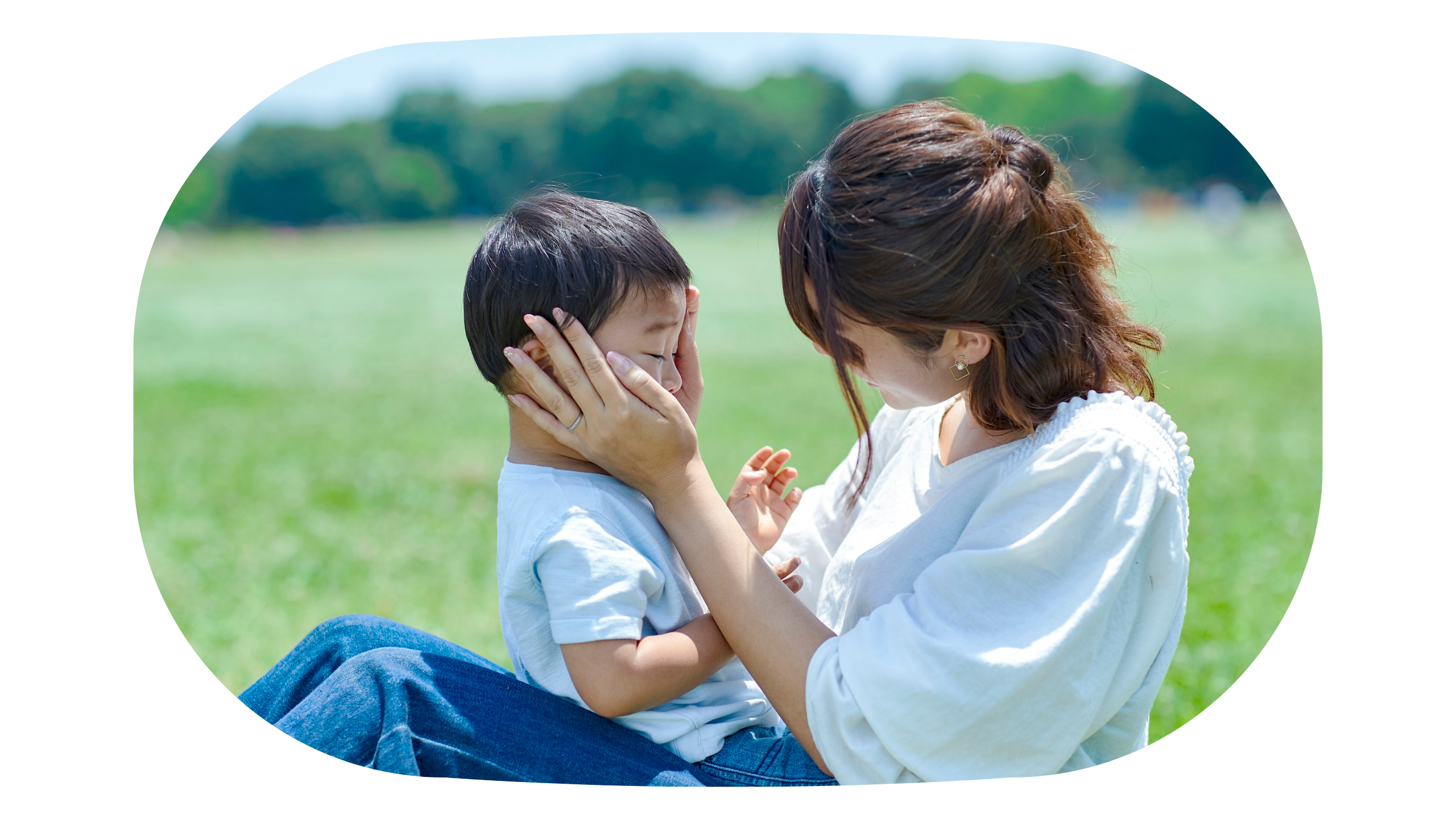
When your own nervous system is running on empty, emotional regulation becomes almost impossible regardless of what you know. Your child is constantly reading your cues - your tone, your body, your presence. Self-regulation and co-regulation don't happen in isolation. They happen in relationship.
Your wellbeing as a parent isn't just something to think about last - it's the foundation that everything else is built on.
What most approaches miss is the sensory piece - not just for your child, but for you. Your own sensory preferences, your patterns under stress, the way your nervous system responds to noise, chaos, or unpredictability.
Here’s what parents have shared:
Over 90% said their sensory sensitivities had increased since becoming a parent - yet almost none had ever been asked about it by an occupational therapist.
“The noise of the kids, it makes my skin crawl”
“Noise in particular affects me. A dog barking goes right through me. Children squealing sends me into orbit. I just want to be alone!”
“Everything feels heightened - smell, touch, light, and especially sound."
“The mess. The screaming. The constant touching - even though I love them hugging me and kissing me, sometimes I just want to sit untouched for a minute."
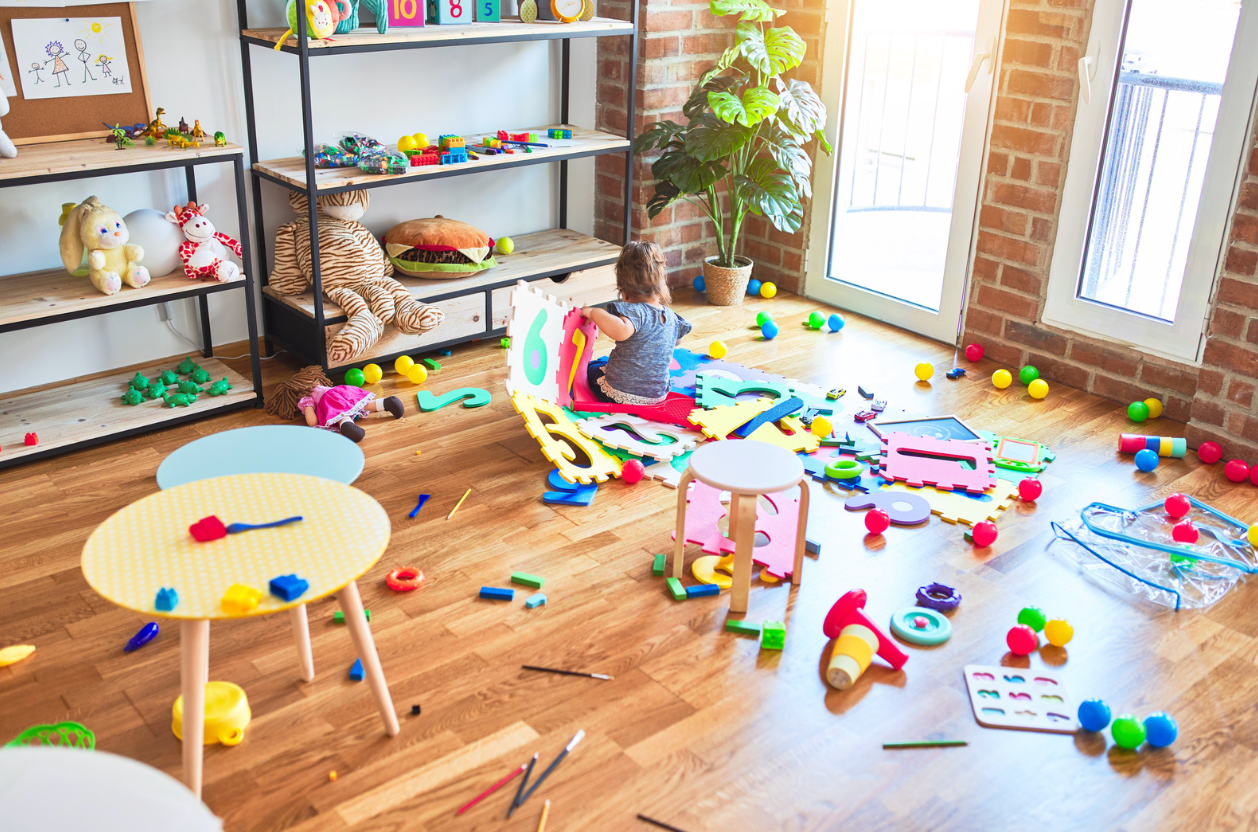
These experiences shape how you show up every single day, often without you realising it. When you begin to understand your own sensory world alongside your child's, sensory-informed parenting stops being a set of techniques and starts becoming a different way of relating and responding.
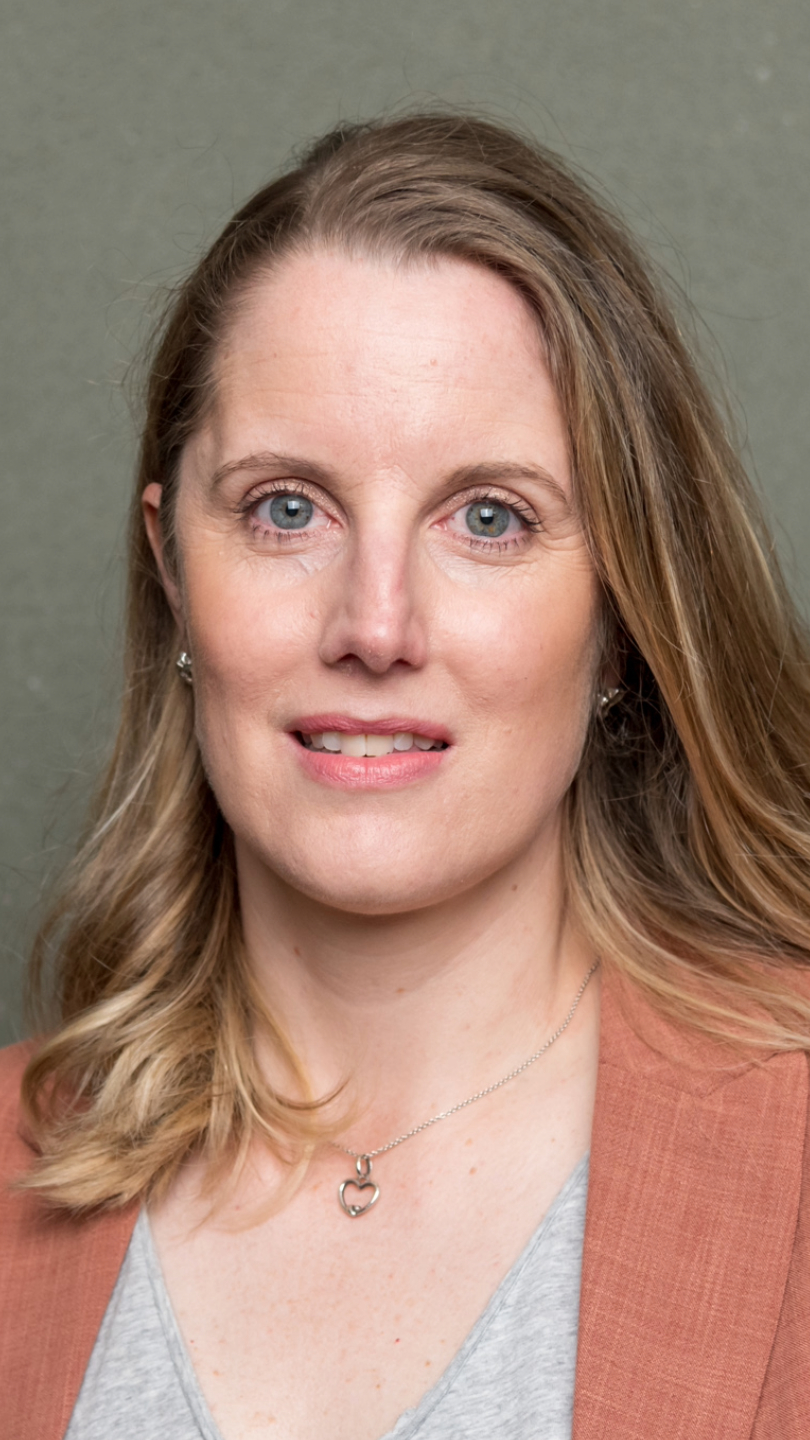
Hi, I’m Angela - Paediatric Occupational Therapist | Melbourne
I have spent nearly two decades working as a paediatric occupational therapist in Melbourne and the United Kingdom, helping families make sense of their children's sensory worlds, nervous systems, and behaviour.
I know this work inside and out. Becoming a mum showed me something no training could have.
Knowledge does not protect you from depletion.
I found myself doing the very thing I had talked about with so many parents - pushing through, ignoring what my body was telling me, giving from a place of empty.
It was only when I started actually listening to myself, noticing my own sensory responses, my own nervous system patterns, the moments my body was signalling something I kept overriding, that things began to change.
Not just in how I felt, but in how I showed up. For my daughter, for my family, for myself. That experience is woven into every part of this program. I know what it feels like to have all the knowledge and still find it hard. I also know what becomes possible when you start listening to your body and taking care of yourself first.
That’s exactly why I’ve created a program of support that starts with you.
Introducing Parents Go First
Change starts with you.
Parents Go First is a high-touch, three-month parent coaching and sensory education program for parents who are ready to stop surviving the hard moments and start understanding them.
We start with you - your sensory world, your nervous system, your patterns. From there, we widen the lens to take in the whole family. Because when you make small shift, positive change follows.
Learn MoreThe right time to begin
Ideally, you find this before burnout.
Parental burnout is real, and if you're there, this program can still support you. But the parents who get the most from this coaching and education program are the ones who arrive with just enough capacity left to get curious. Enough capacity to pause, to reflect, to notice. Enough to try something small and see what shifts.
You don't need to be functioning perfectly. You just need to have something left in the tank, because this work asks you to be present with yourself, not just with your child. If you can feel that window still open, you’re in the right place and now might be the right time to begin.
Enquire Now
What makes this different
Parents Go First vs The Usual Approach
Parents Go First:
Starts with the parent, we recognise parents have sensory needs too
We understand the root cause of behaviour
The whole family in the picture Builds parents capacity so you feel less overwhelmed
Strategies are tailored to your unique families needs
The usual approach:
Focus on the child in isolation, sensory issues are seen as a child thing
Strategies given before understanding
Parental wellbeing as an afterthought, adding more to your mental load
Generic advice that's hard to apply at home
The three pillars
Three pillars that guide your journey together.
This is a three-month coaching and education program. The three pillars below shape how we work together, with each one building on the last, moving you from understanding, to connection, to lasting change.
Pillar one: The sensory-nervous system
We begin by making genuine sense of what is driving the hard moments, for your child and for you.
We explore your whole family's sensory world - what is overwhelming, what each of you is seeking, and why certain parts of the day feel so much heavier than others.
Your sensory processing profile is as important here as your child's.

Pillar two: Regulation in relationship
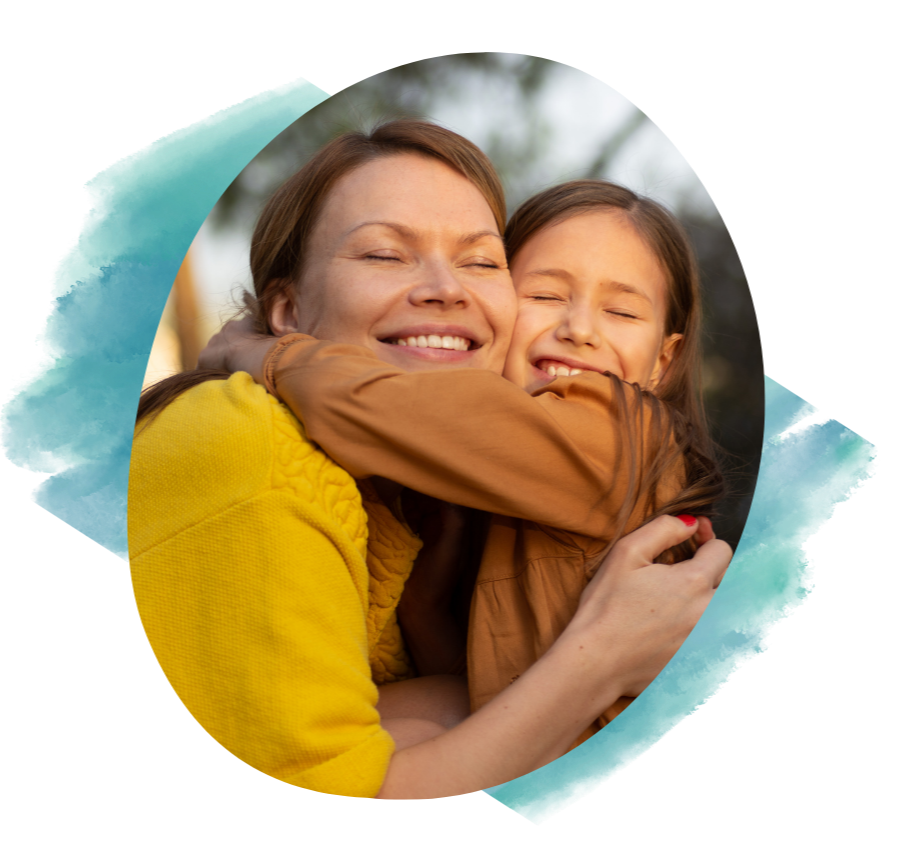
Regulation happens between people, not in isolation.
This pillar is about the co-regulation piece - how your nervous systems interact, what repair looks like when things go wrong, and how to build the kind of connection that helps your child feel safe enough to settle.
This is the work that shifts the dynamic at its core.
Pillar three: Regulation in everyday life
Strategies don't come at the end as a reward for getting through the hard work, they emerge naturally from the understanding you build along the way. When parents begin to genuinely grasp what is driving their child's behaviour and start recognising their own sensory patterns alongside it, something shifts. They start finding their own strategies. Not because they were handed a list, but because the understanding itself changes how they see the moments they are in.
We bring sensory-informed tools and ideas into that space too, but the real goal is your own growing confidence to know what your family needs - practical, sustainable changes built around your real life, your real child, and the family you actually are.

Ready to put yourself first
This is what changes
Mornings that used to unravel before breakfast start to feel easier, not perfect.
You stop anticipating the next hard moment.
You stop second-guessing every decision you make.
The mental load doesn't disappear, but you're no longer carrying it alone.
Your kids feel the difference too, because when you're steadier, they become steadier.
The meltdowns don't disappear, but you stop being swept away by them. You know what's driving them. You know what your child needs. More than that, you know what you need.
You start recognising yourself again. The parent you wanted to be was always there, you were just running on empty.
Book your free discovery callIf any part of this page has felt like it was written about you, that's worth paying attention to.
A discovery call is the first step. We'll talk about where you are at, what you're finding hard, and whether Parents Go First is the right fit for your family.